
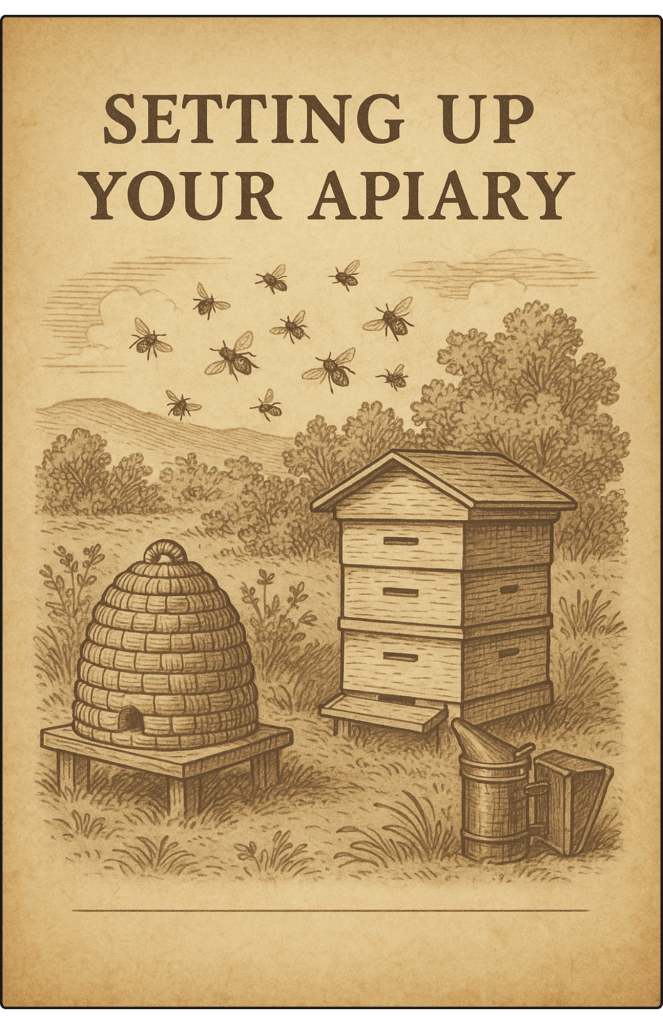
Setting Up Your Apiary
The foundation of successful treatment-free beekeeping is a thoughtfully chosen and well-prepared apiary. It is not just about placing boxes in a field—it’s about entering into a relationship with the land, with the bees, and with the unseen energies that shape both. Location, hive design, and the source of your bees all play a crucial role in creating conditions that support health, vitality, and self-reliance in your colonies.
Selecting a Bee-Friendly Location
Orientation matters more than many realize. Bees tend to prefer hive entrances facing east or southeast. This direction allows the morning sun to warm the entrance early, stimulating activity and foraging while drying condensation. In colder climates, this can be especially beneficial for colony health and productivity. Be mindful of prevailing winds and offer protection from the north and west where possible, using natural or constructed windbreaks.
In addition to location and orientation, consider preparing your hive equipment in ways that promote health from the very beginning. One emerging practice is the use of colloidal silver—an electrically charged suspension of silver particles known for its antimicrobial properties. Spraying the inside of a hive box with colloidal silver before installing bees can help inhibit the growth of viruses, bacteria, and fungi on interior surfaces.
Colloidal silver does not disrupt beneficial microbial communities in the same way that synthetic fungicides or antibiotics might. Instead, it acts as a passive barrier against potential pathogens. Bees themselves may benefit from reduced exposure to mold spores, foulbrood-causing bacteria, and wax-degrading fungi. When used judiciously and in ultra-low concentrations, it can support a cleaner, more balanced hive environment.

*Some beekeepers also report smoother comb building and reduced agitation when bees are introduced into a freshly silver-sprayed hive. While more formal research is needed, anecdotal evidence suggests that this practice aligns well with treatment-free values—offering support without reliance on synthetic or recurring chemical applications.
As always, the key is mindfulness and observation. Allow your bees to show you what works best in your environment. The combination of thoughtful placement, gentle orientation, and optional natural preparatory treatments can create a stable and thriving home from day one.
Recent studies have also begun to explore the role of medicinal fungi in bee health. Research led by Washington State University has demonstrated that extracts from mushrooms such as amadou (Fomes fomentarius) and reishi (Ganoderma resinaceum) can drastically reduce the viral load in honey bee colonies. In controlled trials, colonies that consumed these extracts experienced up to a 79-fold reduction in deformed wing virus (DWV) and a 45,000-fold decrease in Lake Sinai virus (LSV) compared to untreated groups.
These fungi, long known for their antiviral and immune-supportive properties in humans, appear to offer similar benefits to bees. For beekeepers interested in applying this approach, mushroom extracts can be prepared as a water-soluble solution—often by simmering dried amadou or reishi mushrooms in water over low heat for several hours. This tea-like decoction is then cooled and mixed into sugar syrup or herbal infusions used to feed bees.
The dosage may vary, but most practitioners begin with a dilution rate of 1:10 (extract to organic sugar water) and observe how colonies respond. This is particularly useful in early spring or late fall, when viral loads tend to spike, or during times of stress like dearth or relocation. It’s important to ensure that the mushrooms used are sourced organically and free of contaminants.
*Some keepers report using powdered mushroom extracts (available from companies like Fungi Perfecti) dissolved directly into feeding solutions. Others mist frames lightly or soak cotton pads with the decoction and place them in empty brood chambers for indirect exposure. While these methods are still being explored, early adopters have noted reduced wing deformities, stronger brood patterns, and calmer colonies.
This simple but promising practice integrates seamlessly with treatment-free philosophy. It honors the bees’ immune intelligence and enhances their ability to co-evolve with their microbial environment—without interrupting their natural rhythms or contaminating their ecosystem.
If you’re interested in sourcing high-quality mushroom extracts, consider working with well-respected suppliers such as Fungi Perfecti (founded by mycologist Paul Stamets), which offers organic amadou, reishi, and other medicinal mushroom tinctures specifically researched for pollinator health. Other reputable sources include Host Defense and North Spore, known for their rigorous extraction and purity standards. Ensure you choose dual-extracted (alcohol and water) formulations when possible, as these offer the full spectrum of beneficial compounds.
Integrating these natural fungal allies into your beekeeping practice not only boosts colony health—it also connects you to one of the most ancient medicinal relationships between fungi and animals. Mushroom medicine may yet prove to be one of the most elegant, natural, and regenerative tools in the treatment-free beekeeper’s evolving practice.
This approach aligns perfectly with treatment-free values: supporting the bees’ immunity through nature’s own pharmacy, without synthetic interventions. As more data and experience accumulate, mushroom medicine may become a powerful tool in the natural beekeeper’s toolkit—one rooted not in control, but in intelligent, informed support.
Smoke as a Tool: Using Only Natural, Non-Toxic Smoker Materials
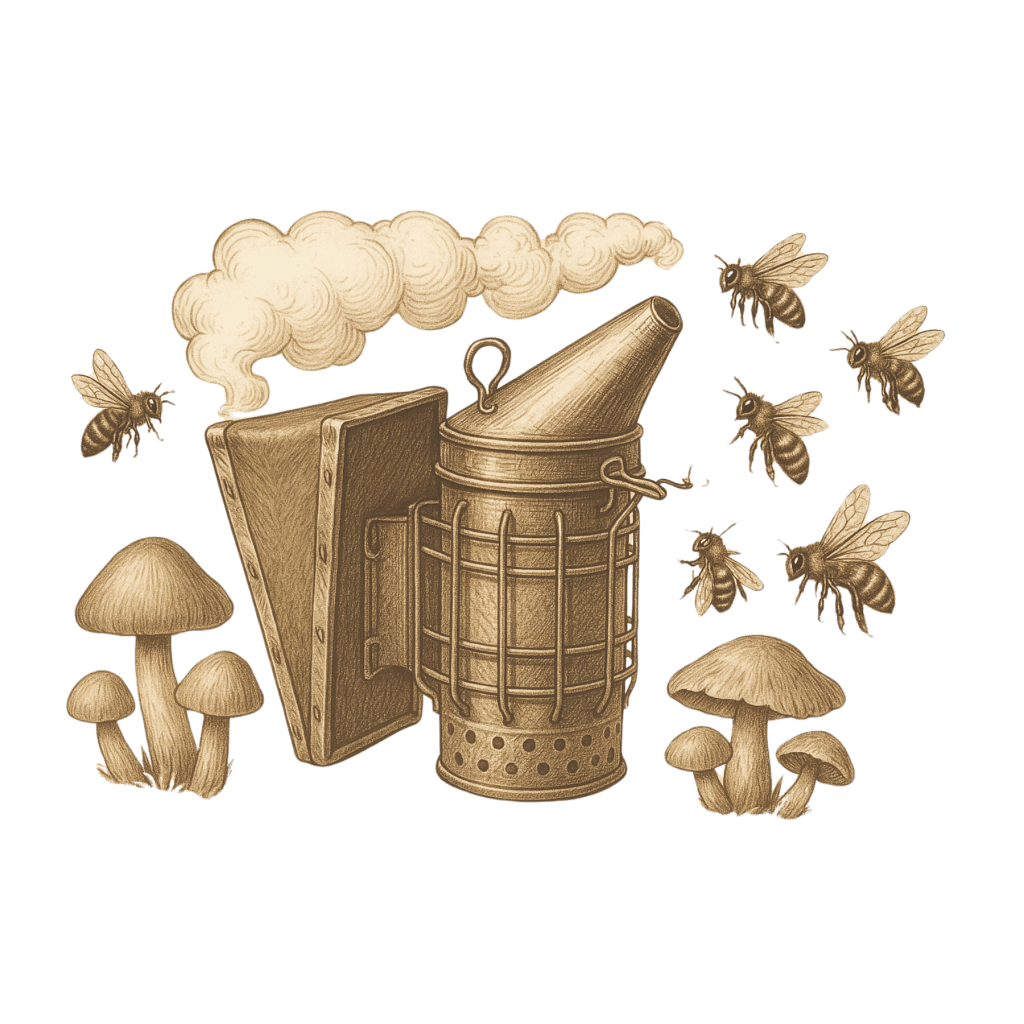
In treatment-free beekeeping, everything we bring to the hive—tools, intention, and even smoke—matters. Smoke can be a helpful tool for calming bees during inspections, but its composition directly affects the hive’s respiratory and immune systems. Unfortunately, many commonly used smoker materials, like newspaper or cardboard, can release toxins when burned.
Avoid These Materials:
- Newspaper and magazines: These often contain petroleum-based inks and chemical coatings that release volatile organic compounds (VOCs) and dioxins when burned.
- Cardboard: Typically contains adhesives, glues, and treatments that produce harmful fumes when ignited.
- Treated or painted wood scraps: Even small amounts can emit toxins that disrupt the bees’ health and orientation.
Recommended Natural Smoker Materials:
- Dried, unsprayed grasses or herbs (e.g., lavender, thyme, lemon balm)
- Untreated pine needles or clean wood shavings
- Rotten punk wood (old, soft wood that smolders well)
- Clean, dried burlap sacks (if untreated with fungicides or chemicals)
- Dried oak or maple leaves (from chemical-free areas)
- Mushroom mycelium-infused sawdust, which some keepers say produces a calming smoke
Always source your materials from areas free of herbicides, pesticides, and industrial pollution. Even small amounts of toxin-laden smoke can stress a colony, reduce brood health, and compromise the hive’s scent-based communication.
For treatment-free beekeepers, clean smoke is an extension of clean stewardship. Let your smoker be a tool of gentleness, not disruption.
Beehive Designs:
Structures that Support Natural Beekeeping
Understanding the diversity of beehive designs is essential for any treatment-free beekeeper. Each hive type offers unique benefits and can be tailored to the needs of the bees, the climate, and the beekeeper’s philosophy.
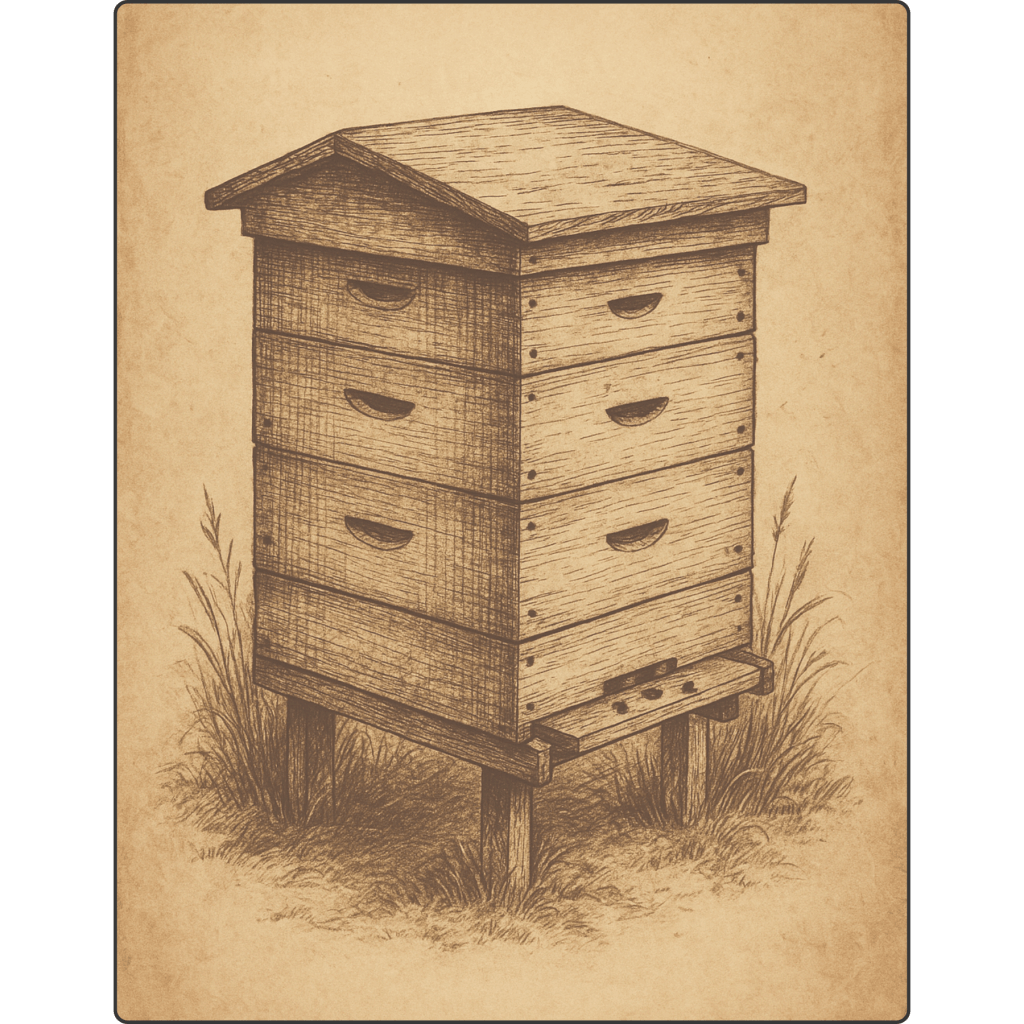
Langstroth Hive
Description: The most widely used hive in conventional beekeeping, featuring vertically stacked boxes with removable frames.
Benefits:
- Easy to expand during nectar flow by adding supers.
- Compatible with most beekeeping equipment and tools.
- Frames are easy to inspect and harvest.
Considerations:
- May require more frequent inspections.
- Vertical structure can be heavy to manage.
- Often used with foundation, which may inhibit natural comb building.
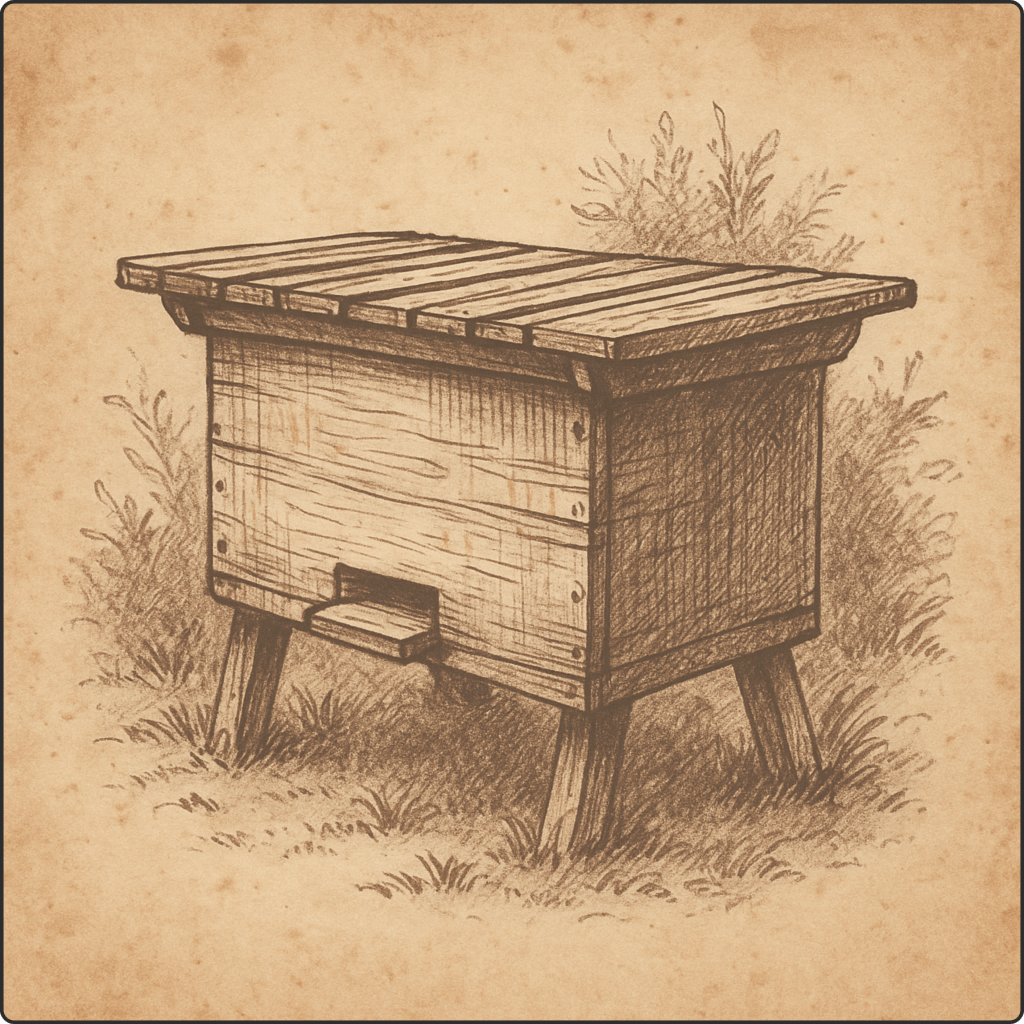
Top-Bar Hive
Description: A horizontal hive with wooden bars across the top on which bees build comb freely.
Benefits:
- Encourages natural comb building.
- Less invasive inspections—comb can be observed one bar at a time.
- Hive height is ergonomic and accessible.
Considerations:
- Honey harvest is typically done by cutting the comb.
- Limited space requires attentive management during high nectar flow.
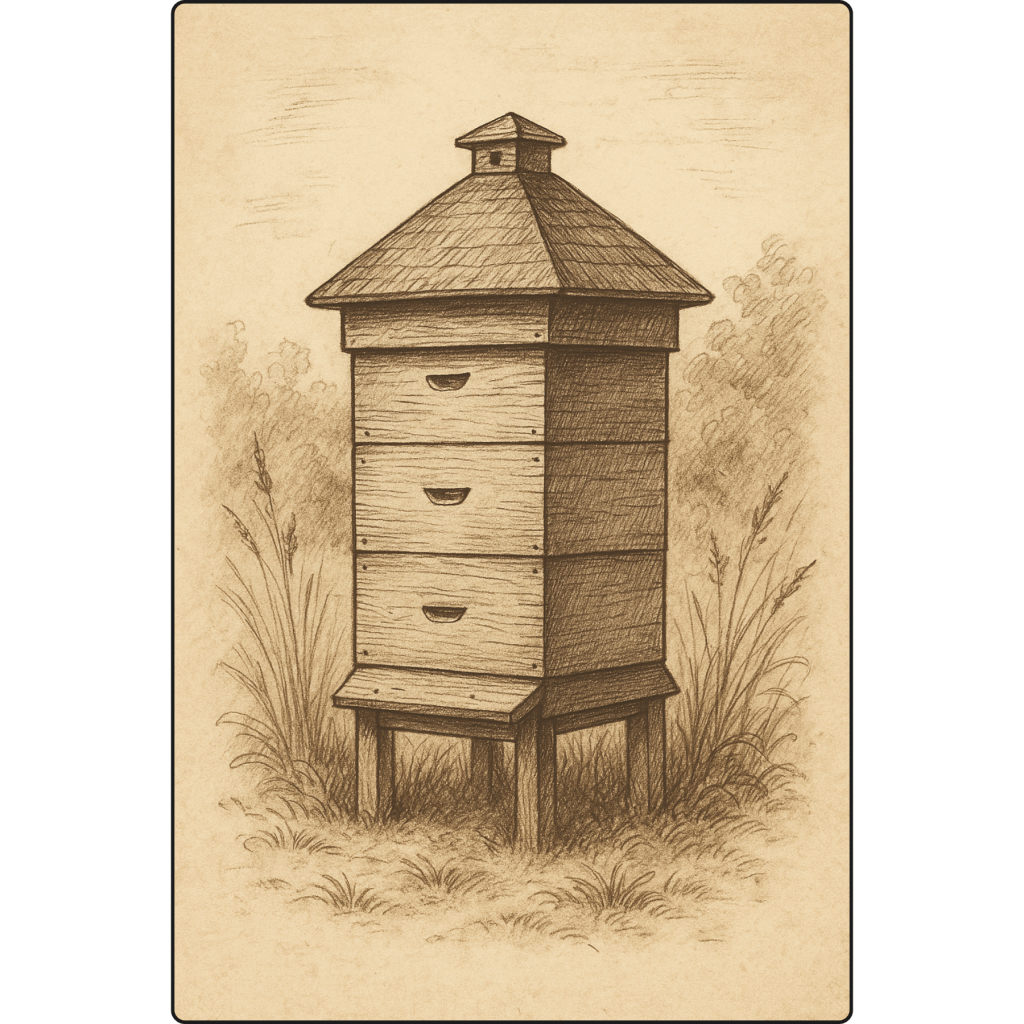
Warre Hive
Description: A vertical hive similar in shape to a Langstroth but with a design intended to mimic a tree cavity. Uses top bars or frames without foundation.
Benefits:
- Mimics natural nest environment.
- Minimal intervention design; boxes are added from the bottom.
- Good insulation properties due to smaller box size.
Considerations:
- Lifting boxes off to add new ones can be labor-intensive.
- Less common—requires DIY or specialized suppliers.
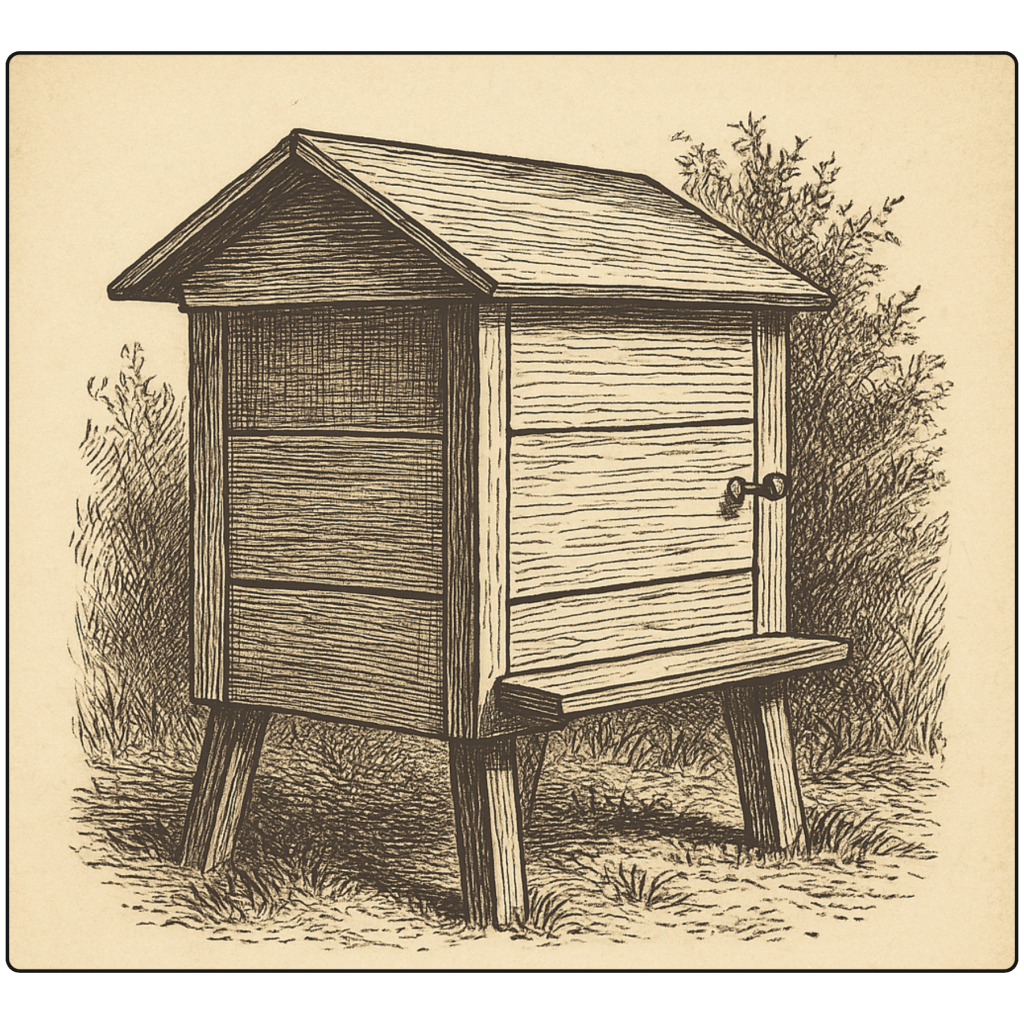
Layens Hive
Description: A deep, horizontal hive designed for strong thermal regulation and low-maintenance.
Benefits:
- Excellent insulation for cold climates.
- Deep frames support uninterrupted brood cycles.
- Easy access and ergonomic for the beekeeper.
Considerations:
- Larger frame size can be heavy.
- Not modular like Langstroth systems.
Tree and Log Hives
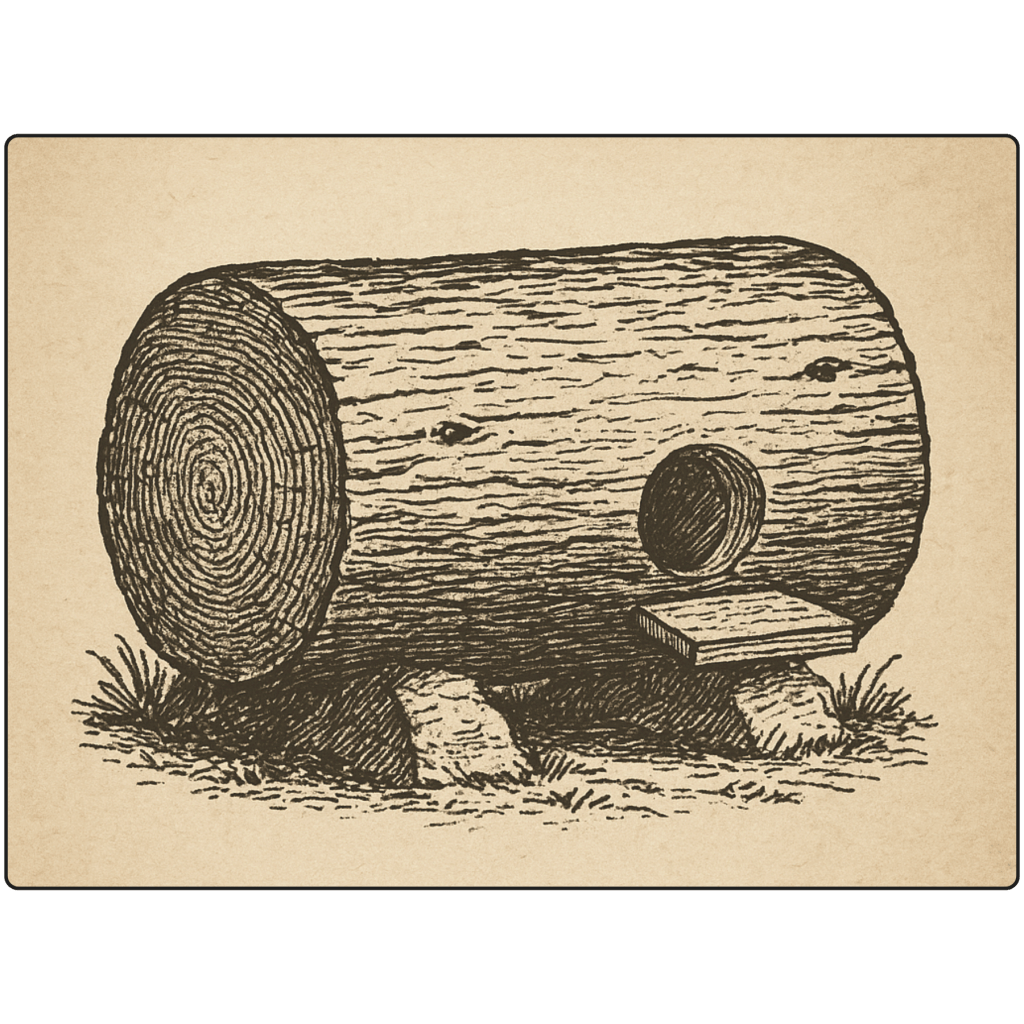
Description: Hollowed logs or created cavities within trees, designed to mimic wild nesting environments.
Benefits:
- Ideal for true feral-style, hands-off beekeeping.
- Promotes natural brood nest structure.
- Excellent insulation and microclimate control.
Considerations:
- Not accessible for routine management.
- Best suited for wild swarm attraction or observation hives.
Straw Skeps (Historical)
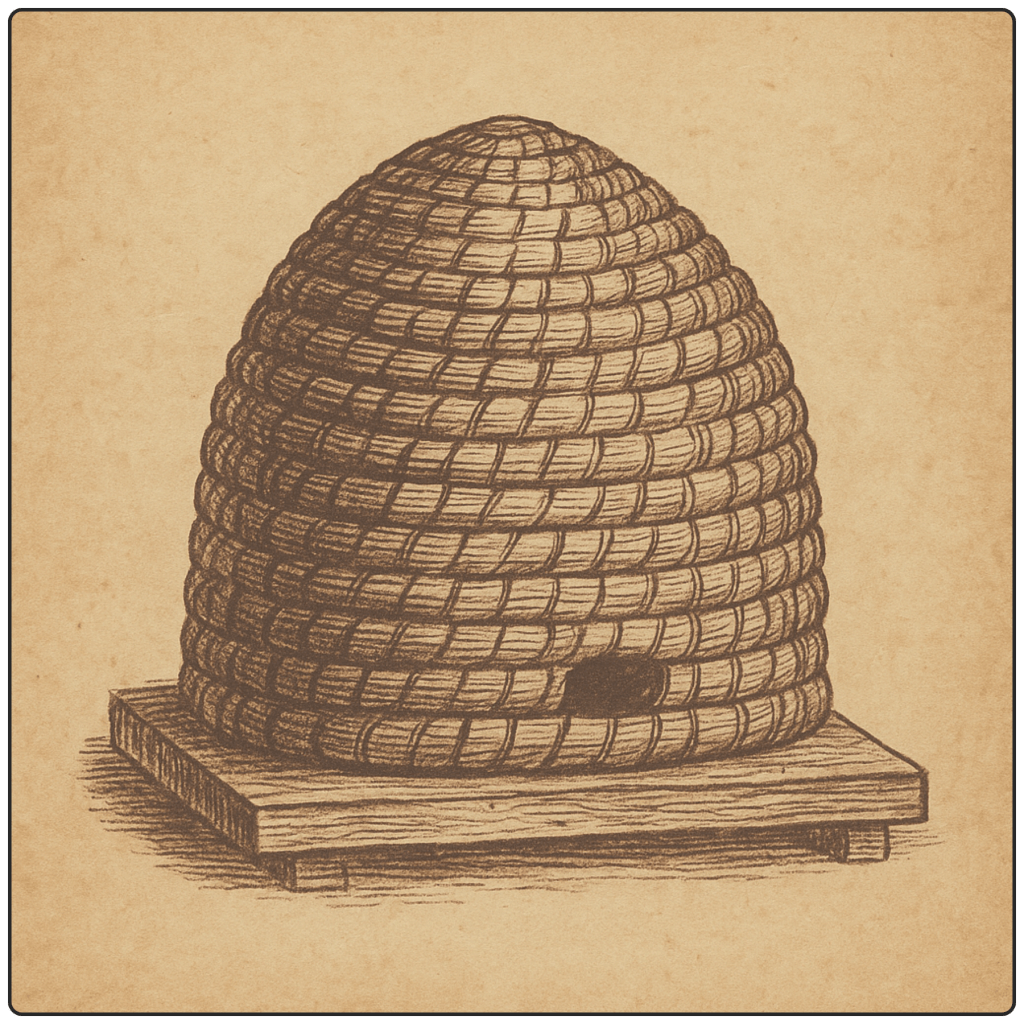
Description: Dome-shaped woven baskets historically used before the advent of modern hives.
Benefits:
- Culturally and historically significant.
- Natural materials encourage healthy microclimates.
Considerations:
- Generally non-removable combs.
- Honey harvest often required destruction of the colony.
- Now primarily used for educational or heritage purposes.
Each hive type offers its own blend of practicality, philosophy, and ecological alignment. Treatment-free beekeepers often choose designs that prioritize natural comb, thermal balance, and low intervention—helping bees express their wild wisdom in full harmony with the land.
 The Natural Beekeeper's Path Nonprofit